Start with the ground beneath your feet
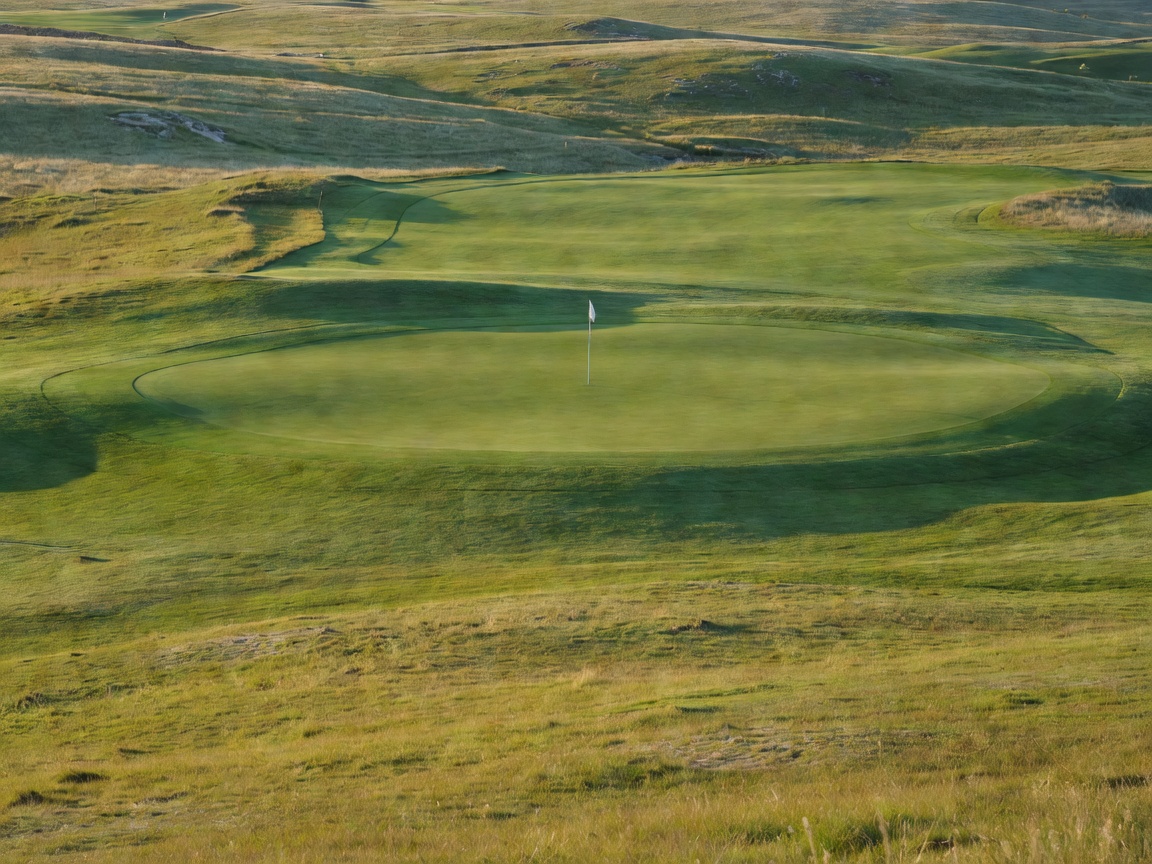
Course design is the arrangement of holes, hazards and greens across a landscape. Parkland courses are commonly associated with more tree-lined, inland settings; trees can frame a hole and limit sightlines, while sheltered ground may feel different from an exposed coast. Links-style terrain is traditionally associated with sandy coastal ground, natural contours and wind, but the label should not be treated as a promise that every course will feel alike. Resort courses can sit in either landscape, with design shaped by the site and the experience the operator intends to offer.
In practical terms, look at how the holes move across the land. Gentle elevation changes can make a course feel varied without demanding steep climbs. More pronounced terrain may affect the walk and the way you judge distances. Course maps, scorecards and official descriptions can help, but ask about current walking expectations if mobility or heat is a concern.

How design creates decisions
Fairway width is the room available for a tee shot to land safely. A broad landing area can still require thought if bunkers or angles reward a particular line. Bunkering describes the placement and shape of sand hazards; a bunker may penalise a wayward shot or make the safer route less direct. Water features can add a visual boundary and influence club selection. They are not automatically a measure of difficulty: their position and the alternatives around them matter.
Greens are the closely cut surfaces where the hole is located. Their size, slope and shape affect how a player approaches the final shot and reads a putt. A green with several levels may reward careful positioning, while a more open target can suit a different range of abilities. These details are worth considering alongside the overall length, but length alone does not determine how challenging a round feels.
Wind, weather and tee selection
Wind exposure can transform the same hole from a straightforward target into a strategic puzzle. Coastal and elevated holes may feel more exposed, while tree-lined settings can provide shelter. Rain, temperature and ground conditions also influence comfort and play; conditions vary by date, so a course description cannot promise what you will encounter. Pack for the likely season and check local forecasts close to travel.
Tee options change the course distance and angles presented to a player. Choosing a suitable tee is a sensible way to match the round to your experience, time and enjoyment. Ask what tee choices are available and whether any are restricted on your date. Do not assume that the furthest markers are the expected choice simply because a course is described as championship-standard.
Walking, practice and pace
Some courses are comfortable to walk; others involve longer transitions, meaningful elevation or routes that are more demanding. If walking is important to your group, ask the course directly about terrain, buggy availability and any relevant access arrangements. A driving range, practice green or short-game area can be useful before play, but facilities vary. Check access rules, opening arrangements and whether a separate booking is required rather than assuming practice is included.
Course difficulty is personal. A golfer’s experience, the selected tees, current conditions and preferred style all affect the day. One player may enjoy strategic hazards and a brisk walk; another may prefer generous landing areas and a less exposed setting. The aim is not to find an abstract “best” course but to choose a good match for the people travelling.
Course styles at a glance
Parkland and inland
Often framed by trees or cultivated landscape. Shelter and visual structure may be part of the appeal; terrain and design still vary widely.
Coastal and links-style
Open ground and wind can play a prominent role. Weather exposure and natural contours may suit players who enjoy adapting their plan.
Good for
A course-focused trip suits golfers who want variety in design, a clear sense of place and time devoted to practice or play. Groups with mixed experience can look for flexible tee choices and a course whose terrain and pace suit the whole party. Players who want a gentler holiday rhythm may prefer to balance a demanding round with nearby leisure options.
What to know
Before choosing, check the course’s current official information for access, tee selection, practice facilities, walking requirements and any visitor arrangements. Ask how conditions or maintenance may affect your dates. Course information and fees may change, and fees can differ by date and tee time.
Advantages and limitations
Advantages: a distinctive layout can make golf the centrepiece of a trip and offer a memorable connection to the landscape. Limitations: exposed weather, steep terrain or a course’s strategic demands may not suit every group. Prestige language alone does not explain these trade-offs.
For help connecting the round to your base, explore European resort settings, clubhouse facilities and where to stay. These independent guides are informational and are not affiliated with courses or resorts.