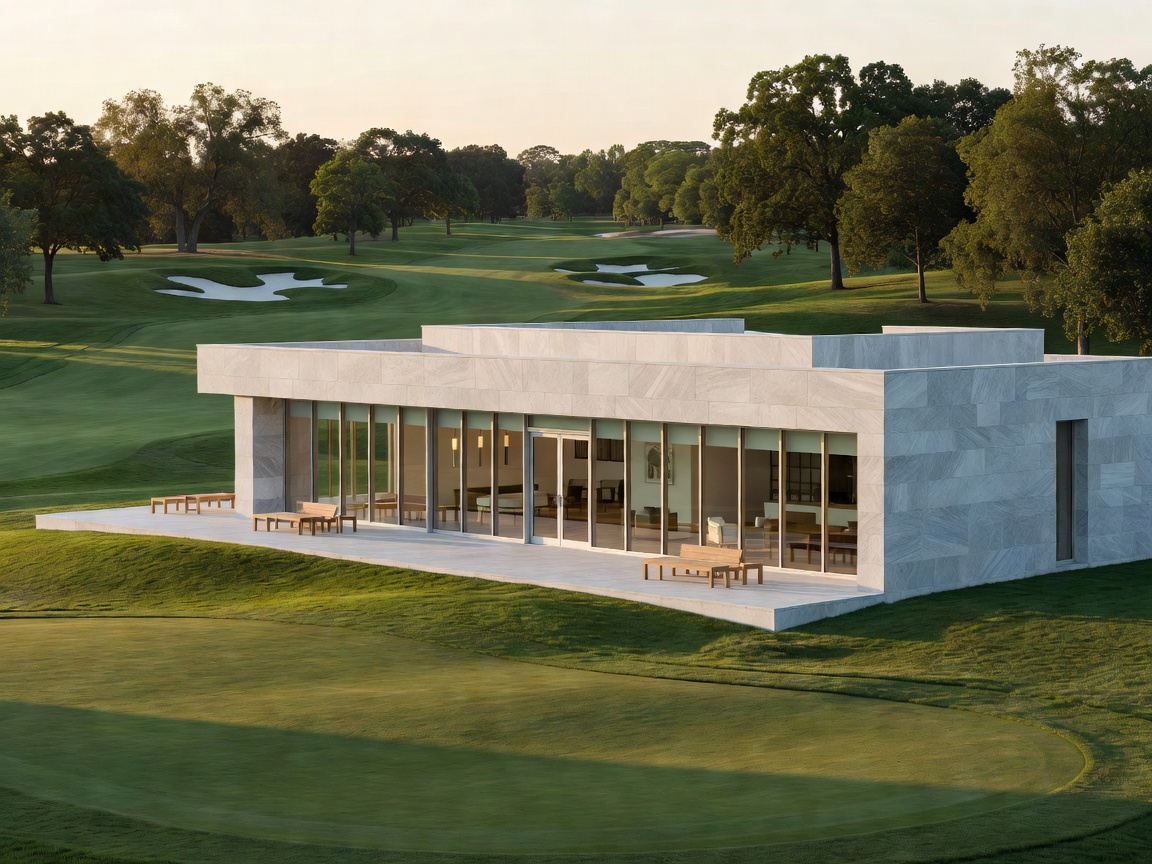
Architecture that serves the day
A clubhouse can announce a destination through local stone, timber, a contemporary glass frontage or a restrained regional style. The strongest design is not simply photogenic: it helps people understand where to arrive, check in, prepare and meet. Clear circulation matters when guests are carrying bags, joining a group or arriving close to a tee time. Useful wayfinding and a reception point that is easy to find can make the first few minutes less hurried.
Scale and atmosphere are personal. A compact clubhouse may feel sociable and direct, while a larger resort building can offer distinct lounges, dining rooms and event spaces. Neither format is automatically better. Consider whether you want a lively shared hub or a quieter place to return to after play, and check how the building is used on the dates you plan to visit.
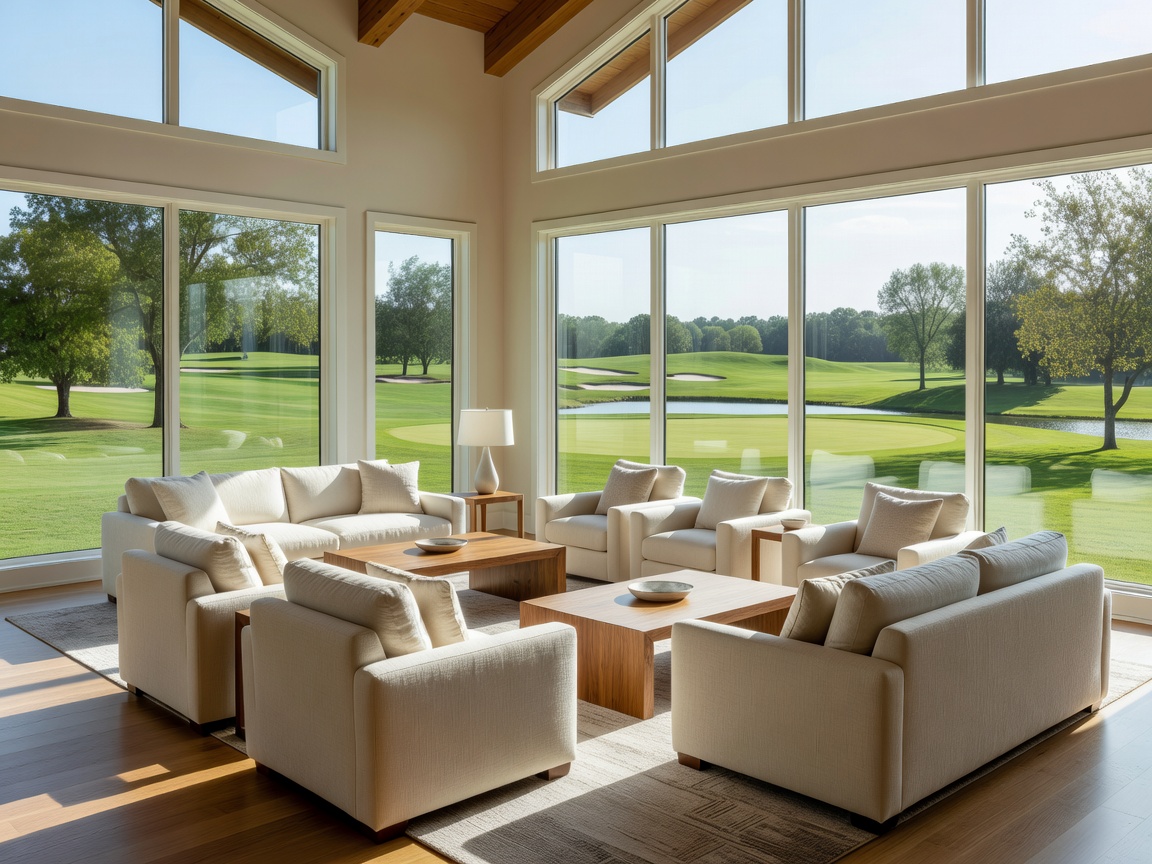
Practical spaces, often overlooked
Changing rooms, showers and locker areas influence how smoothly a round starts and ends. Ask whether visitor facilities are available, what storage arrangements apply and whether any access is restricted. Golf services vary by property, so avoid relying on assumptions based on the word “clubhouse.” If you have accessibility needs, ask about step-free routes, door widths, accessible changing arrangements and the distance from parking or drop-off to the entrance.
Practice facilities deserve the same clear-eyed check. A putting green offers a place to warm up the short game; a driving range supports longer practice; teaching areas may be arranged for lessons or group sessions. These are different resources, not interchangeable amenities. Confirm whether they exist, whether visitors may use them, and whether separate arrangements apply. A course’s official website is the best place to verify current details.
Service, storage and the transition to play
Some properties provide services such as club storage, bag drop or a shop selling golf essentials. These can simplify a trip, particularly when travelling with equipment, but their availability and terms should be checked directly. If you plan to hire equipment or arrange instruction, confirm options well ahead of travel; this guide does not make reservations or guarantee services.
The path between car park, reception, practice area and first tee can be as important as any individual amenity. At larger resorts, internal distances may be considerable. Ask whether a shuttle or other transport is provided, and whether it operates at the time you need. If you are carrying a bag or moving with a group, a simple route map from the property may help you plan, though we do not embed maps on this guide.
Terraces, dining and places to gather
A terrace with a view can create an easy meeting point, while a lounge or event space may support groups travelling together. Dining rooms range from informal clubhouse counters to more considered restaurant settings. Their hours, menus and booking arrangements are subject to change, so check directly before relying on them. A welcoming communal room is particularly useful when the weather turns or golfers in a party finish at different times.
Ask how the spaces work for non-golfers, too. A place to sit, read or meet a family member can broaden the appeal of a stay. Event areas may be busy when functions are scheduled, and a resort’s layout can shape the level of privacy. A modest question about the atmosphere and activity on your dates can set useful expectations.
Two different clubhouse priorities
Golf-first hub
Prioritises practical arrival, preparation, equipment support and a straightforward post-round routine. A good match for groups focused on play.
Resort social space
Places more emphasis on lounges, views, dining and gathering. Useful for mixed-interest trips, though check how the golf services connect.
Good for
A carefully designed clubhouse helps early starters who want a calm arrival, groups who value a place to meet, and leisure travellers who want a pleasant pause after play. Practice facilities suit golfers building warm-up time into the day; accessible, clearly signed routes can help guests with differing mobility needs.
What to know
Confirm visitor access, changing and locker arrangements, practice access, equipment storage, restaurant availability, event schedules and internal distances. Ask about accessibility in specific terms. Facilities vary by property and may change with season or operating conditions.
Advantages and limitations
Advantages: a well-organised clubhouse can make the day feel cohesive and provide a shared social anchor. Limitations: a striking building does not guarantee that every service is available to every guest; busy events, long walks or limited visitor access may affect your experience.
See how facilities fit into resort selection, compare course requirements, or explore dining and wellness. Our coverage is independent and does not indicate sponsorship or affiliation.