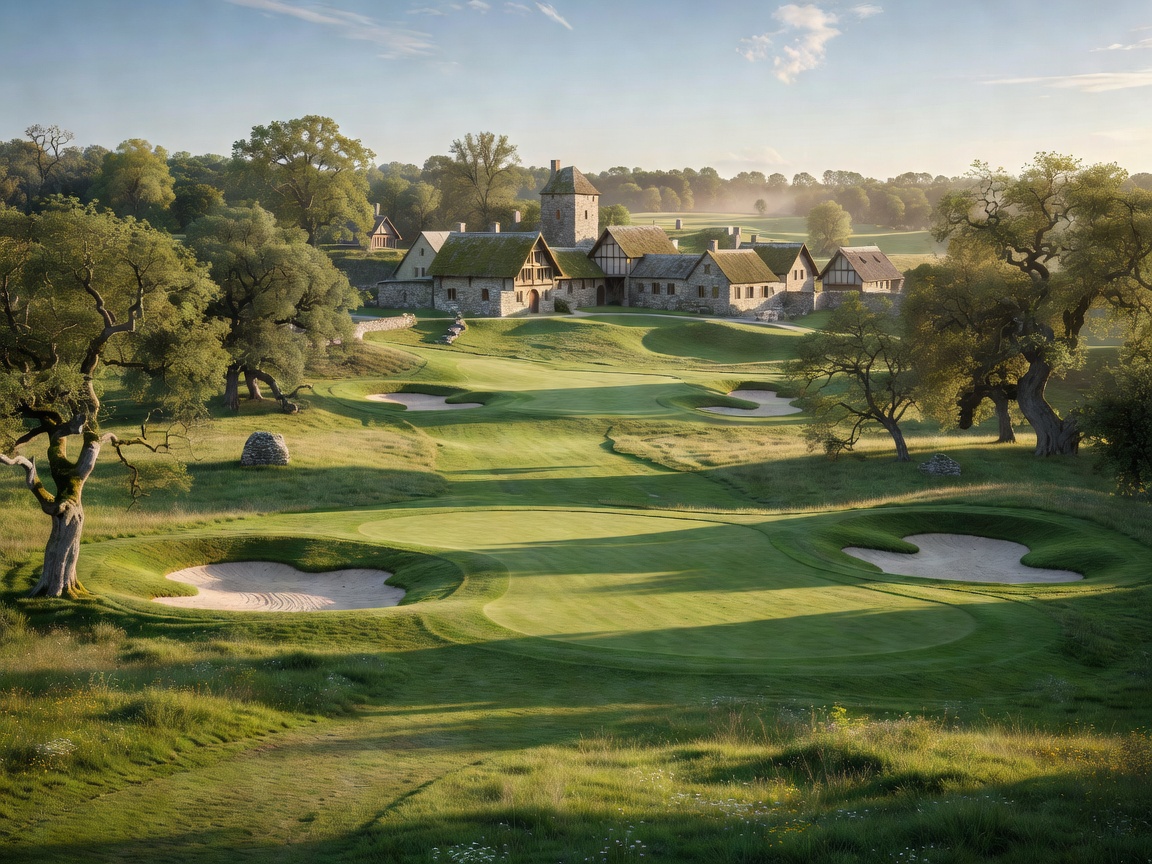
What makes a resort different?
A standalone course is primarily a place to play. A golf resort connects the round with hospitality: accommodation may sit on the property or nearby, and a clubhouse or shared facilities provide a natural centre for the day. That connection can simplify planning, but “resort” covers a wide range. One property may feel like a self-contained holiday village; another may be a hotel with a course close by. The label alone does not tell you how much is walkable, what is included, or how independently the various parts operate.
Start by mapping the relationship between your room, first tee, practice ground and dining spaces. If these are close, an early round can feel straightforward. On a larger estate, internal transport or a short drive may be part of the routine. Ask what is on-site, what requires a booking, and which services are available on the dates you are considering. Current facilities vary by property, and seasonal schedules can change.
Setting, scale and the shape of the day
Coastal environments often put weather and open views at the centre of the experience. Wind exposure can influence both the feel of a round and the layers you pack. Inland resorts may have more sheltered tree-lined settings, while rural locations can offer a quieter pace but need more advance thought around transfers and evening plans. A resort near a city or established town can make it easier to combine golf with museums, restaurants or other activities, though the atmosphere may feel less secluded.
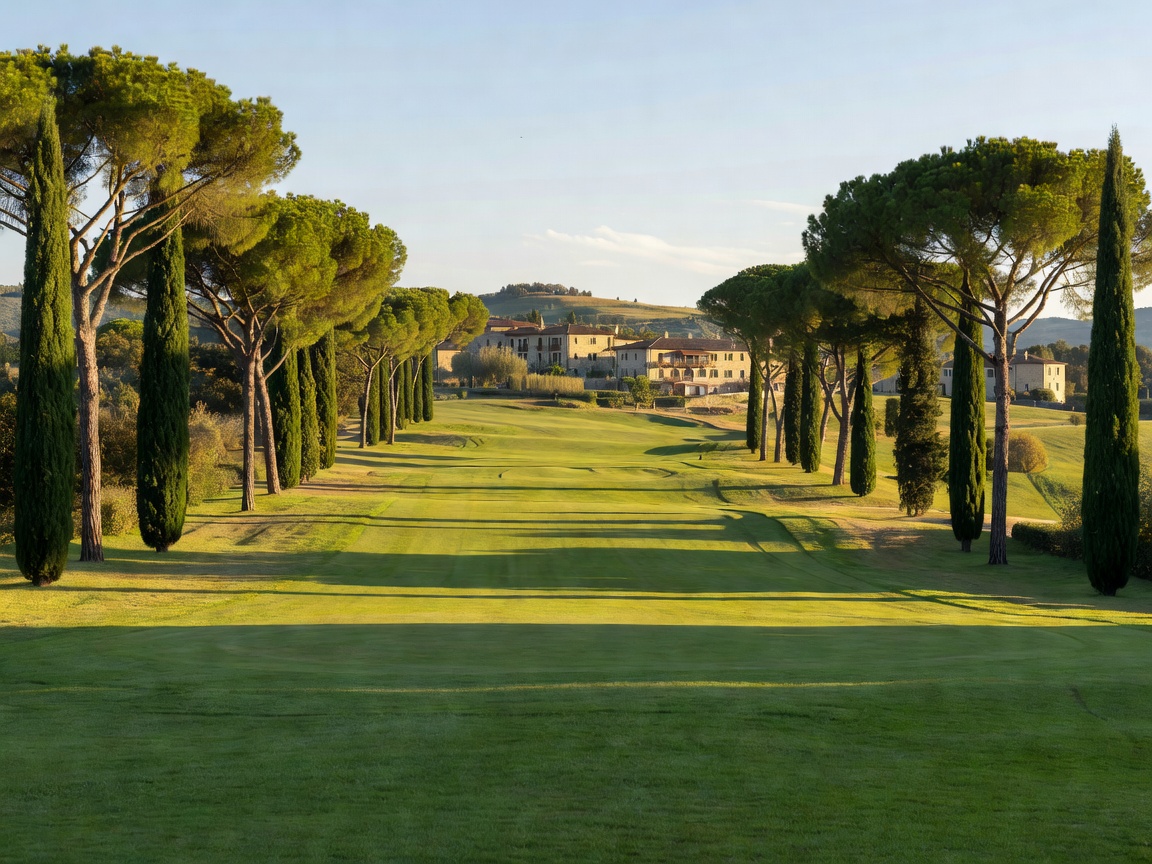
Scale changes the rhythm, too. A compact hotel-and-course arrangement can keep logistics simple. A larger resort may provide more variety, but distances between rooms, facilities and golf services matter. Look for a clear description of how guests move around, rather than assuming everything is a short walk. Families may value a choice of activities and flexible meal arrangements; couples may prefer a quieter base with nearby places to explore. A golf-focused group may care most about tee-time coordination, practice access and somewhere comfortable to gather afterwards.
Choosing a European region
Europe offers very different golf-trip contexts rather than one standard resort formula. Portugal and Spain are often considered for Mediterranean or Atlantic stays, with coastal and inland options. France and Italy pair golf with varied regional landscapes and food traditions. Ireland and Scotland are strongly associated with golf travel, but conditions and resort formats differ from place to place. Alpine destinations introduce elevation and mountain scenery; Central European options can combine golf with spa towns, countryside or city access. These are broad travel patterns, not guarantees about an individual property.
Seasonality deserves a place in the comparison. Shoulder periods may bring a different balance of daylight, weather and visitor activity than peak holiday weeks. In cooler or wetter climates, check what remains open outside the main season. In warmer regions, think about playing times, shade and the comfort of moving between the room and course. Availability can vary by season, and fees may differ by date and tee time. Confirm current operating details directly with the property.
Compare the trip, not just the course
Build a short list against the way you actually travel. If golf is the main purpose, prioritise a practical connection to the course and a booking process that explains how tee times are arranged. For a mixed-purpose break, ask whether non-golf plans are realistic without a car. For families or mixed-ability groups, consider whether non-players have enough to enjoy and whether the daily timetable can flex around different interests.
Food can be a deciding factor when a resort is remote. Check whether there are several dining choices or just one main venue, and whether you can reach restaurants outside the property. The same applies to wellness: a spa, pool or fitness room may be a welcome amenity, but facilities vary and access rules can differ. Treat each feature as something to verify, not something implied by the resort category.
A quick comparison
Self-contained resort
Convenient when you want the course, stay and core services close together. Larger footprints can mean more walking or internal transfers.
Hotel near a course
Can suit travellers who want a wider choice of town or regional activities. Check transfer arrangements and how golf services are coordinated.
Good for
Resorts work well for golfers who value a joined-up trip, groups coordinating several rounds, couples combining play with downtime, and families who need more than one activity in the day. A compact property can suit a short break; a broad destination may reward a longer stay, particularly when there is plenty to explore nearby.
What to know
Confirm the distance between accommodation and course, tee-time booking arrangements, practice access, transport, dining availability and what is open during your dates. Clarify any additional fees directly with the property. If you are travelling with children, non-golfers or mobility requirements, ask specific questions about routes and facilities rather than relying on general descriptions.
Advantages and limitations
Advantages: a single base can reduce daily planning, make early starts easier and bring golf together with food and rest. Limitations: remote resorts may limit evening choices; large sites can involve extra travel; and an inclusive-sounding description does not establish what is included. Review the details that matter to your group before committing.
For the next layer of planning, compare course character, accommodation styles and dining and wellness options. Our guides are independent editorial material and do not imply affiliation with the properties discussed.