Plan around the first and last meal
Breakfast shapes the start of a golf day. If tee times are early, find out when food is served and whether there is an alternative arrangement for guests leaving before normal service. Do not assume breakfast is included, available before dawn or tailored to a particular dietary requirement. Ask the accommodation provider directly and explain your schedule.
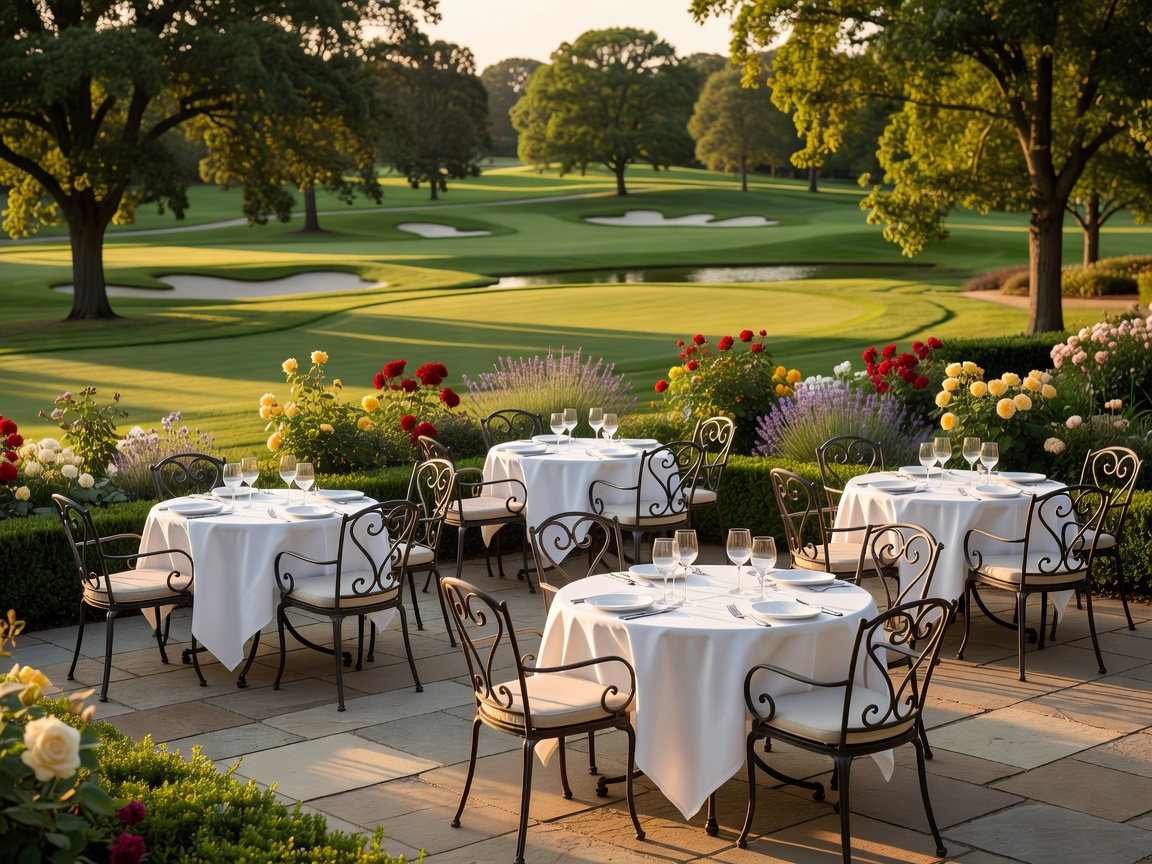
After a round, a clubhouse restaurant or terrace can make it easy to stay together without adding another journey. Some properties may offer several dining settings; others may have a more limited choice. A café can suit an informal lunch or a quick pause, while a bar or lounge gives the group somewhere to meet when the weather changes. Check current opening hours, reservations and access policies, especially in quieter seasons.
Dining that connects with place
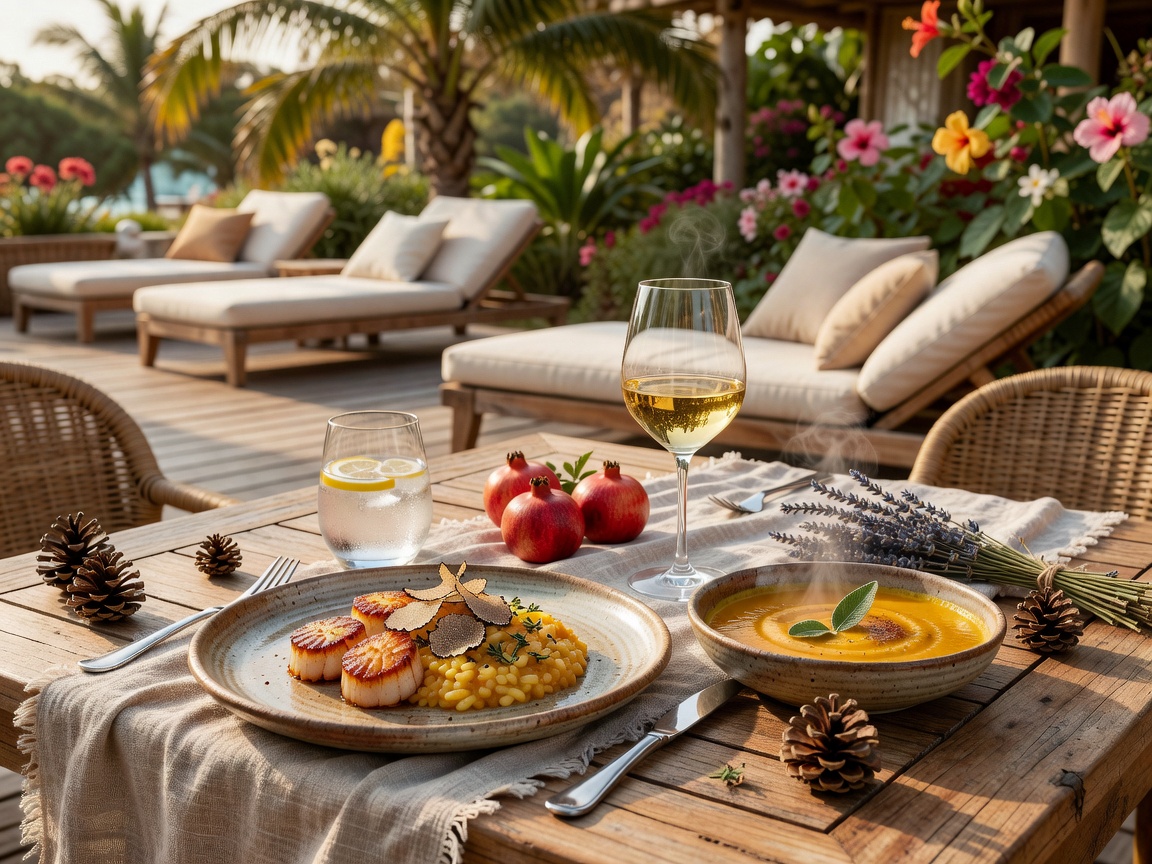
Regional ingredients and local cooking can make a resort feel connected to its surroundings. When choosing where to eat, consider the atmosphere you want, how formal it feels, whether it works for a mixed group and how easy it is to get there. Restaurant descriptions and menus should be checked on the provider’s own channels, as we do not publish or guarantee current menus. If you are travelling with dietary needs, contact the venue in advance rather than relying on a general listing.
Where a resort is remote, a small number of dining options may matter more than it would near a town. Ask whether guests can reach nearby restaurants without a car, and whether transfers are available. A location that keeps golf convenient may also mean fewer choices after sunset. That is not necessarily a drawback; it is simply part of the experience to weigh against your group’s preferences.
Wellness as a pause, not a promise
Resort wellness spaces can include pools, saunas, treatment rooms, fitness areas or quieter places to rest. Facilities vary widely, and their presence should not be inferred from the word “resort.” Confirm which spaces are open, who may use them, whether advance arrangements are required and whether there are additional charges. Availability and access rules may vary by date.
A pool can be a pleasant alternative for a family member who does not play, while a quiet lounge may suit someone taking a rest day. Fitness spaces can help guests maintain their usual routine. Treatment areas are best considered as hospitality amenities rather than health services; the guide makes no medical or recovery claims. If you have a particular requirement, speak with the provider before booking.
Balance the itinerary
Golf trips can become over-scheduled when every available hour is given to play. A late breakfast, leisurely meal or afternoon by the pool may be as valuable as an extra round for some travellers. Consider how many rounds your group genuinely wants, how much travel sits between activities and whether there is space to change plans if the weather shifts.
Couples may prefer a shared itinerary with one or two rounds and time for dining or wellness. Groups of golfers might build in a long post-round meal. Families often benefit from planning activities that do not depend on everyone playing. The balance changes with trip length, season and personal energy; there is no universal schedule to follow.
Compare the non-golf side
On-site dining
Convenient when the course and accommodation are remote or the group wants an easy post-round meal. Confirm variety, timing and booking arrangements.
Wellness facilities
Can give golfers and non-golfers another way to spend time. Verify what is actually open and whether access is included or needs arranging.
Good for
Dining and wellness matter to mixed-interest groups, longer stays, couples seeking a slower pace and golfers who want a relaxed place to gather after play. They can also help make a resort feel like a destination in its own right rather than simply a base beside a course.
What to know
Check meal service times, restaurant availability, reservations, dietary communication, transport, wellness access, age or guest rules and any extra charges. Menus, operating conditions and access can change. Confirm details with the relevant provider before you travel.
Advantages and limitations
Advantages: thoughtful dining and leisure choices create variety, support non-golfers and give a group space to relax together. Limitations: remote locations may offer fewer alternatives; facilities can be seasonal or require advance arrangements; and a wellness label alone does not establish what is provided.
Explore the wider resort landscape, compare accommodation choices or consider clubhouse spaces. This is independent editorial coverage, not an endorsement of any venue.